Key Takeaways
- As you age, sleep patterns naturally change, and it is common to sleep more.
- Significant shifts in sleep can sometimes relate to lifestyle, medications, or other health factors.
- A balanced routine with social engagement and physical activity often promotes better rest.
- Senior living options like assisted living or memory care offer structured environments that support a healthy lifestyle.
What to Know About Sleep and Age
You may notice a parent or loved one spending more time sleeping and wonder if it’s a cause for concern. It’s a common question, as rest is a cornerstone of well-being at any age. Changes in sleep duration and quality are a natural part of the aging process, but it’s helpful to understand what these shifts can mean.
While sleep needs evolve over time, a significant and sudden increase in sleep can sometimes point to underlying factors worth exploring. At Inspired Living, our focus is on providing the right kind of support and finding a lifestyle that encourages a healthy, balanced rhythm. This often starts with establishing an ideal sleep routine for daily life.
How Sleep Patterns Change Over Time
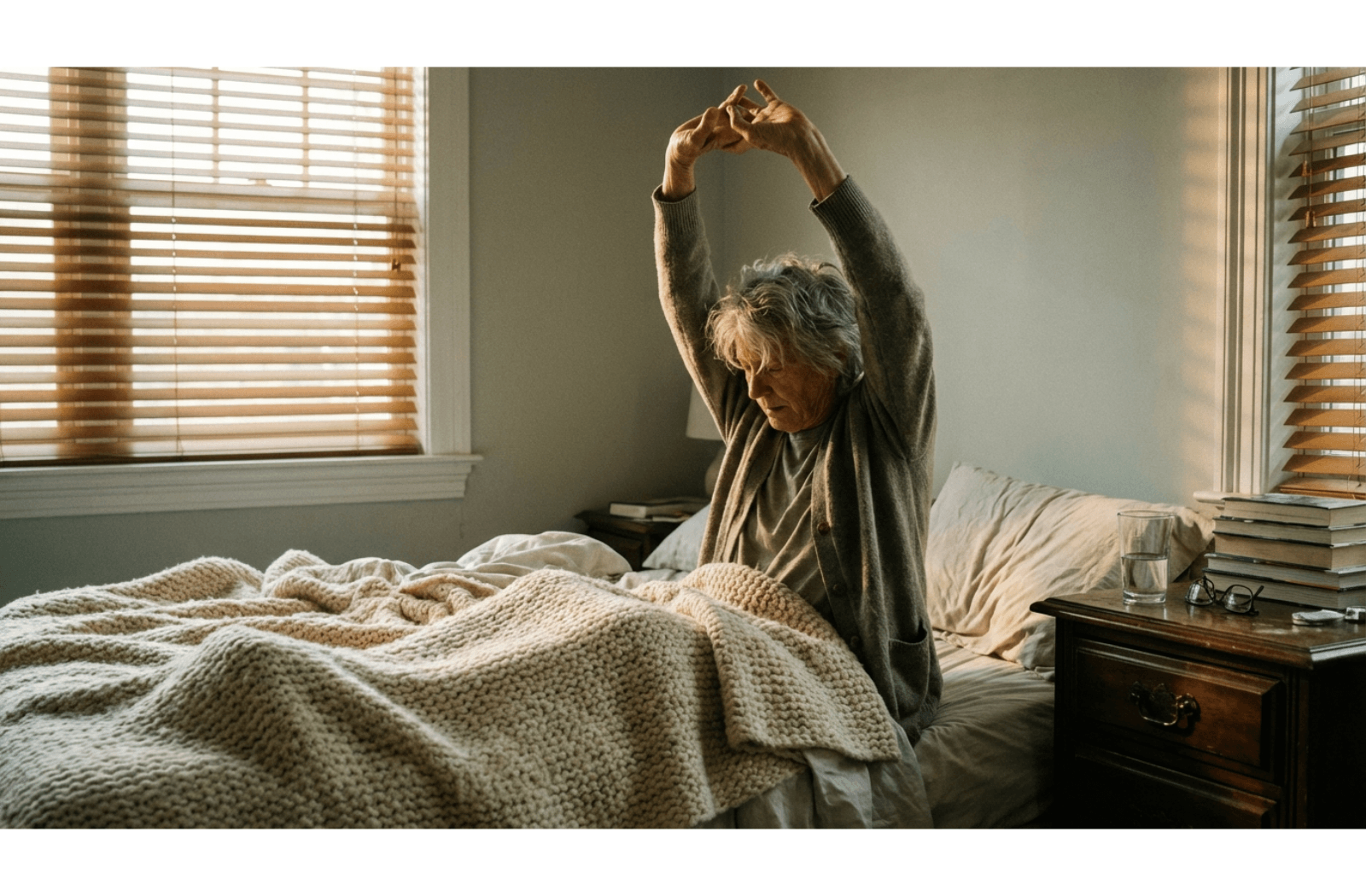
As you move through different stages of life, your internal clock and sleep cycles adjust. It’s common to experience lighter sleep and wake up more frequently during the night than you did in your younger years. This can sometimes lead to feeling less rested in the morning and wanting to nap during the day.
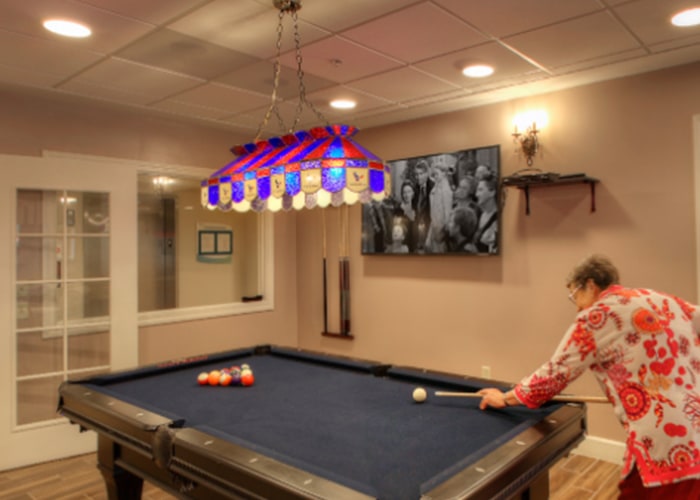
Your daily activity level also plays a large part in how well you sleep. A day filled with engagement, movement, and social connection—like trying out some unique activities for seniors—often leads to a more restorative night’s rest. If days become less active, you might find that sleep becomes more fragmented, prompting longer or more frequent naps. Paying attention to sudden shifts, rather than gradual changes, can help you understand what’s happening.
What Increased Sleep May Indicate
When you notice a significant change in a person’s sleep schedule, it’s natural to have questions. Sometimes, the answer is straightforward. Starting a new medication, for instance, can come with side effects like drowsiness as the body adjusts.
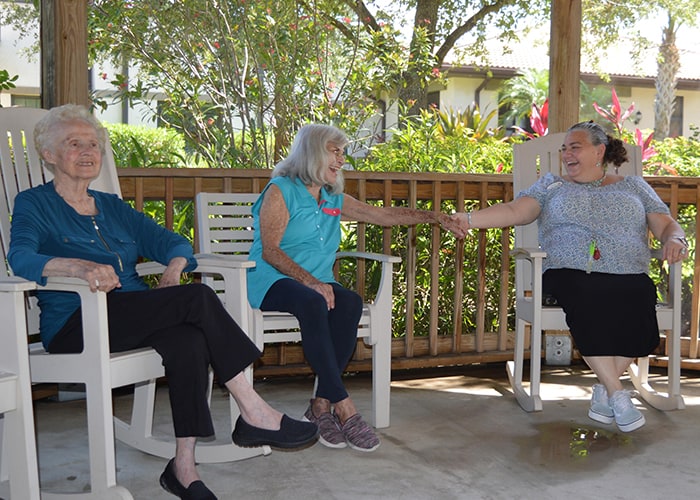
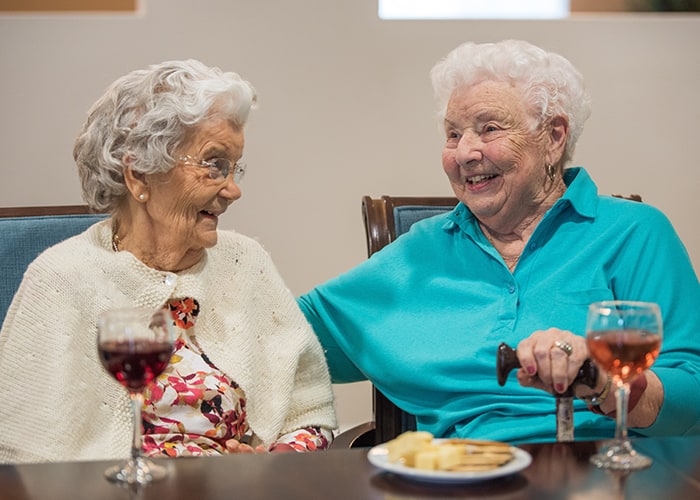
Emotional well-being is also closely tied to sleep. Feelings of boredom or loneliness can lead to sleeping more, as can changes in mood. Because social isolation can pose health risks, embracing friendships is very important. The body may also require more rest when it’s managing a physical health change. A shift in sleep can be a response to many different factors that affect a person’s daily energy levels.
The Link Between Sleep and Quality of Life
When you get the right amount of restorative rest, it can have a positive effect on your daily mood, making it easier and more enjoyable to connect with friends and family. A consistent sleep routine helps you wake up feeling refreshed and ready for the day.
Rest also plays a role in cognitive function, helping to keep your mind active and focused. Good sleep supports memory and clear thinking. On a physical level, a healthy sleep cycle provides the energy for activities you enjoy, from walks to hobbies like participating in the arts.
How Senior Living Encourages Healthy Routines
A supportive environment can make a world of difference in establishing a healthy daily rhythm. A quality senior living community offers structure and engagement that supports a balanced lifestyle. This built-in support is also a component of respite care, offering a stable routine for short-term stays.
Structured Daily Life
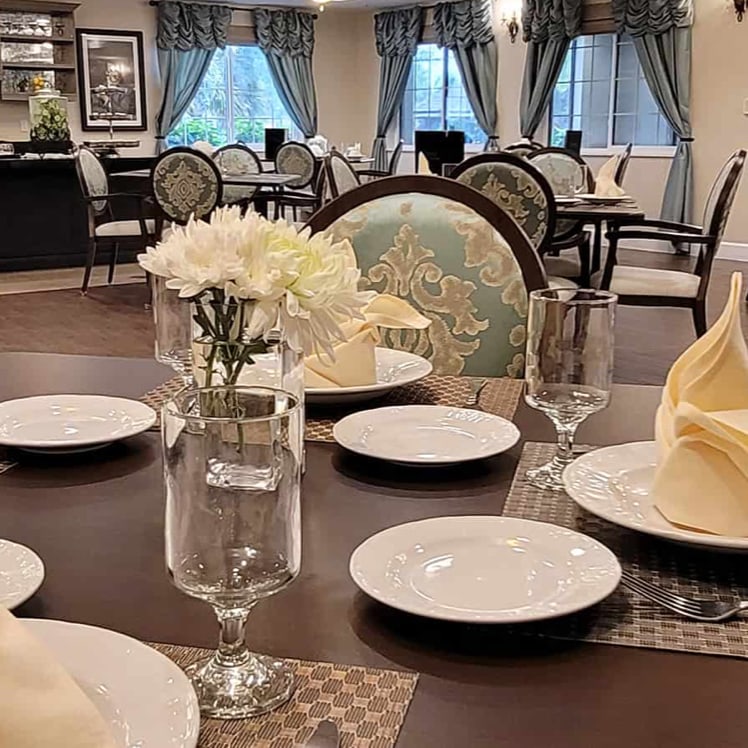
A predictable daily flow can be very comforting and helpful for regulating sleep. When meals, social gatherings, and activities happen at consistent times, it helps set the body’s internal clock. This routine can make it easier to feel sleepy at night and more awake during the day.
Personalized Support Plans
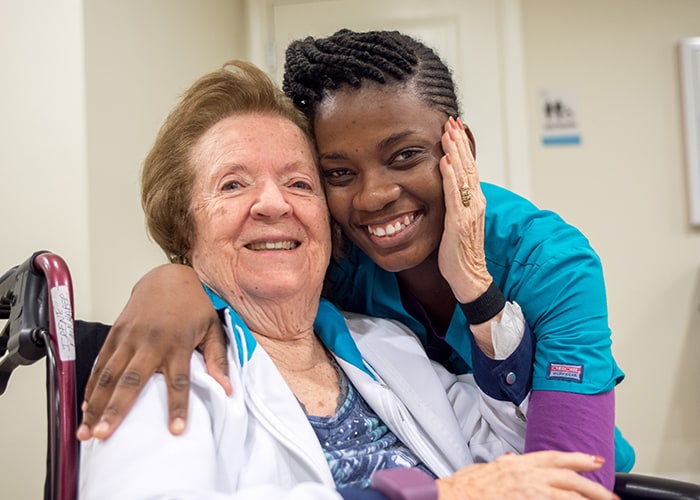
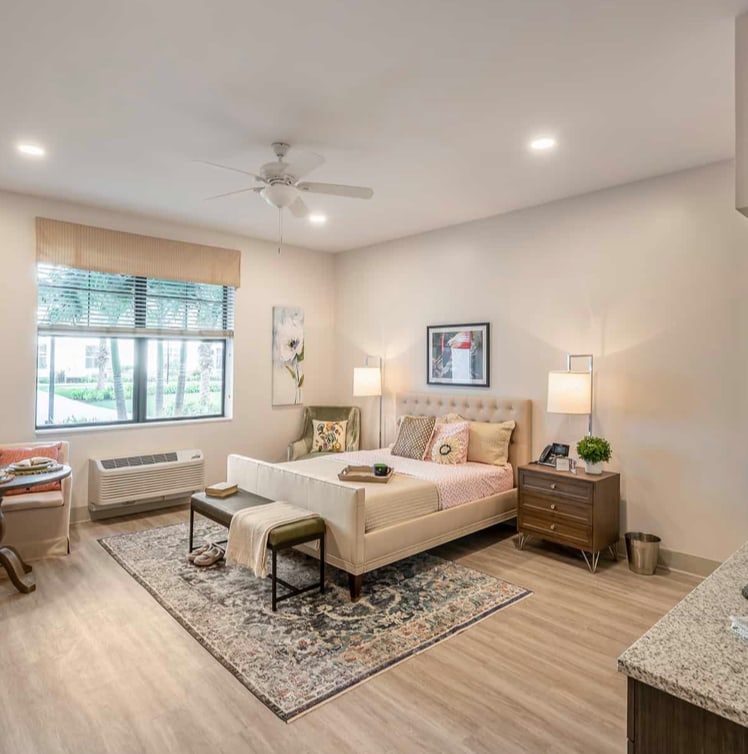
Individualized care in settings like assisted living or memory care can address personal needs that contribute to better rest. With support for daily tasks, you or your loved one can conserve energy for more meaningful pursuits. This tailored approach helps create a calm and supportive atmosphere conducive to sleep.
Opportunities for Engagement
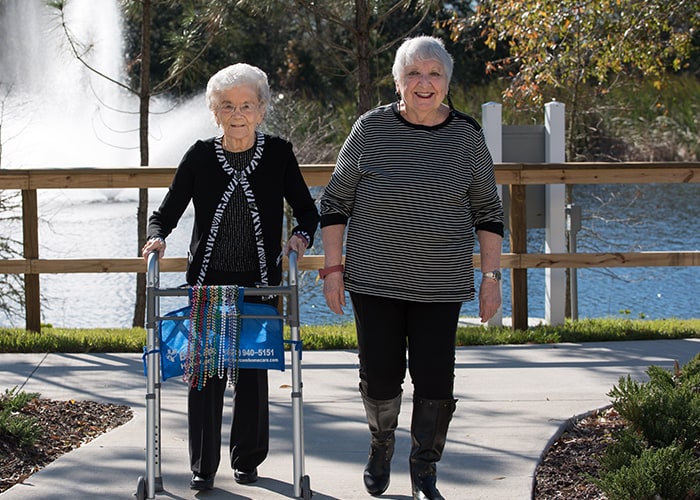
Staying active is strongly linked to better sleep. A senior living community provides many ways to engage your mind, body, and spirit. From fitness classes and walking clubs to art workshops and social events, a full day of activities and events naturally promotes a more restful night.
Find the Right Level of Support
Different types of senior living options provide unique structures to support a healthy and active life. Understanding these differences can help you identify the right fit for your family’s needs and promote a balanced lifestyle.
Assisted Living
When you or a loved one could use some help with daily tasks, it helps to recognize the early signs assisted living may be needed. Assisted living offers personalized support within a vibrant community that helps individuals to focus on their passions and relationships.
Memory Care
For individuals navigating cognitive changes, memory care provides a specialized environment with routines designed for comfort and security. The structured setting and programs are created to reduce agitation and promote a sense of calm.
A Focus on a Balanced Lifestyle
The goal is to support a lifestyle where you or a loved one can thrive. A balanced approach to daily life—including social connection, physical activity, and good nutrition—is foundational to well-being and creates days that are both engaging and restful.At Inspired Living, the focus is on nurturing a vibrant community where healthy connections between mind, body, and spirit flourish. We invite you to explore our senior living communities to see how an environment built around holistic well-being can support you or someone you care about in living a fulfilling life.